Obol
Obol builds Distributed Validator Technology that lets Ethereum validators run as fault-tolerant clusters across multiple operators.


What is Obol?
Obol is an Ethereum staking infrastructure protocol behind Distributed Validators, clusters of node operators that jointly run a single validator with built-in fault tolerance and client diversity. Staking protocols, institutions, and home stakers use Obol DVs to reduce slashing risk and improve uptime. The Obol Stack secures roughly $1.2B in ETH and underpins many institutional Ethereum staking offerings, with EigenLayer and Symbiotic among its partners.
Web3 dapps and developer tools related to Obol
Discover blockchain applications that are frequently used with Obol.
 Lista DAO

 BitFi

 MultichainZ

 RockSolid Network


Developer resources from Alchemy
Agentic payments and x402, explained
Agentic payments let AI agents pay for APIs, data, and services on their own, with no human at checkout. Learn how x402 works and powers agentic commerce.
Why trading teams choose Alchemy for low-latency RPC
Trading teams choose Alchemy for low-latency reads and writes when the market moves, and a reliable record when money settles, even at peak volume.
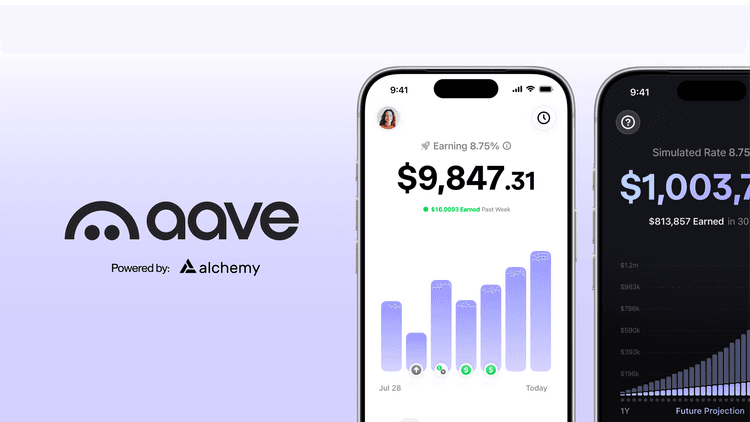
How Aave runs the largest lending protocol in DeFi across 20+ chains with Alchemy
Aave has run its traffic on Alchemy since 2021, powering protocol data across 20+ networks and a gasless consumer app, through V4, Cortex, and spikes above 2M CU/s.
Obol alternatives
Explore web3 competitors and apps like Obol.
 ether.fi
 Crypto.com Liquid Staking


 JPool

 Echo Protocol

App store listings are independently reviewed and written by Alchemy using a combination of inbound submissions, editorial research, public project sources, and third-party directories, including ecosystem data from The Grid under the Open Database License, DefiLlama, DappRadar, Reown, and chain ecosystem pages.